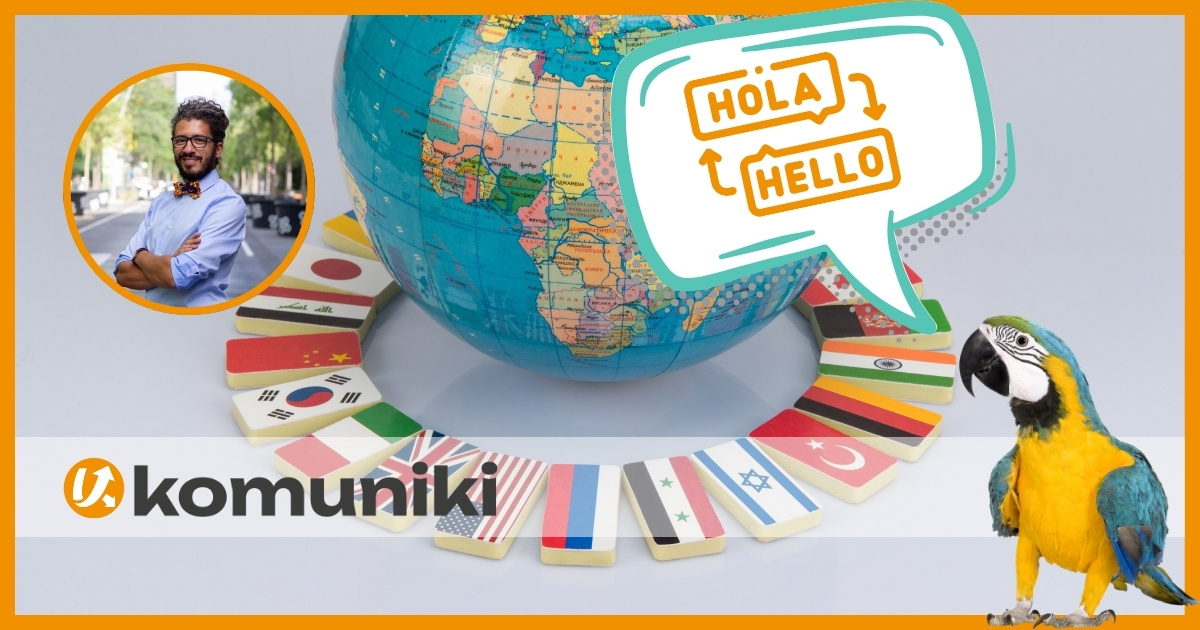
Why Choose Multilingual Design for Your Website?
In an increasingly connected world, a multilingual site can make the difference between a business with local presence and one with global visibility. Multilingual web design offers a structure and intuitive navigation that lets users around the world access content in their native language, improving user experience and international SEO ranking.
Why Choose Multilingual Design for Your Website?
A multilingual website represents a competitive advantage for businesses looking to expand into new markets. Offering content in multiple languages improves not only accessibility, but also ranking in search results for each target country.
- Key advantages:
- Improves global visibility on search engines like Google, Bing, and Baidu.
- Increases user engagement and reduces bounce rate.
- Enables tailored marketing strategies for each market.
The Essential Steps for Multilingual Web Design
1. Language Selection
To determine which languages to include on the site, analyze your target audience and reference market. Focus on the most widely spoken languages and those where your potential customers are based.
2. Site Structure and URLs for Multilingual SEO
For good optimization, choose the URL structure that best suits your project:
- Subdomains (e.g. fr.site.com for French)
- Subfolders (e.g. site.com/fr/)
- ccTLDs (e.g. site.fr for France)
A well-thought-out URL architecture helps search engines better understand the language and target market, boosting rankings.
3. Professional Translation of Content
It’s essential to avoid machine translation, which can lead to errors or cultural misunderstandings. Using professional translators allows content to be adapted more accurately, improving user experience and the site’s credibility.
4. Implementing Hreflang Tags
Hreflang tags are essential for telling Google which language versions of the site to show users based on their location and preferred language. Without hreflang, Google could confuse the pages, leading to a poor user experience.
5. Responsive Web Design and Accessibility
Every language version should be mobile-friendly and accessible. Responsive design ensures the site works perfectly on any device, improving user dwell time and boosting SEO ranking.
SEO and Multilingual Web Design: Best Practices
SEO optimization is essential for a successful multilingual site. Here are a few tips:
- Localized keywords: use different keywords depending on the language and reference market.
- Multilingual content optimization: tailor content not just by language, but also to the specific interests of each market.
- Creating a multilingual sitemap: helps search engines correctly index all language versions of your site.
The Value KOMUNIKI Brings to Multilingual Site Development
KOMUNIKI, Nicola Mostallino’s project, offers professional multilingual web design and SEO services, with particular focus on building WordPress and WooCommerce sites. Thanks to Mostallino’s experience, KOMUNIKI optimizes every project to support international indexing and ensure easy, intuitive navigation for users worldwide. KOMUNIKI stands out for its use of innovative tools and high-quality translations, tailored to the needs of international markets.
Building a multilingual website is an essential strategy for anyone looking to expand their business beyond national borders. Thanks to strategic SEO optimization, the use of appropriate URLs, careful translation, and the quality of design KOMUNIKI provides, it’s possible to rank effectively on Google across multiple countries and deliver a complete customer experience.